
Programmatic: The Real Opportunity No One Talks About
Everyone says programmatic is the future, then buries you in jargon. Strip it back to first principles and the real prize isn’t cheaper display — it’s inverting the $80 billion TV market.
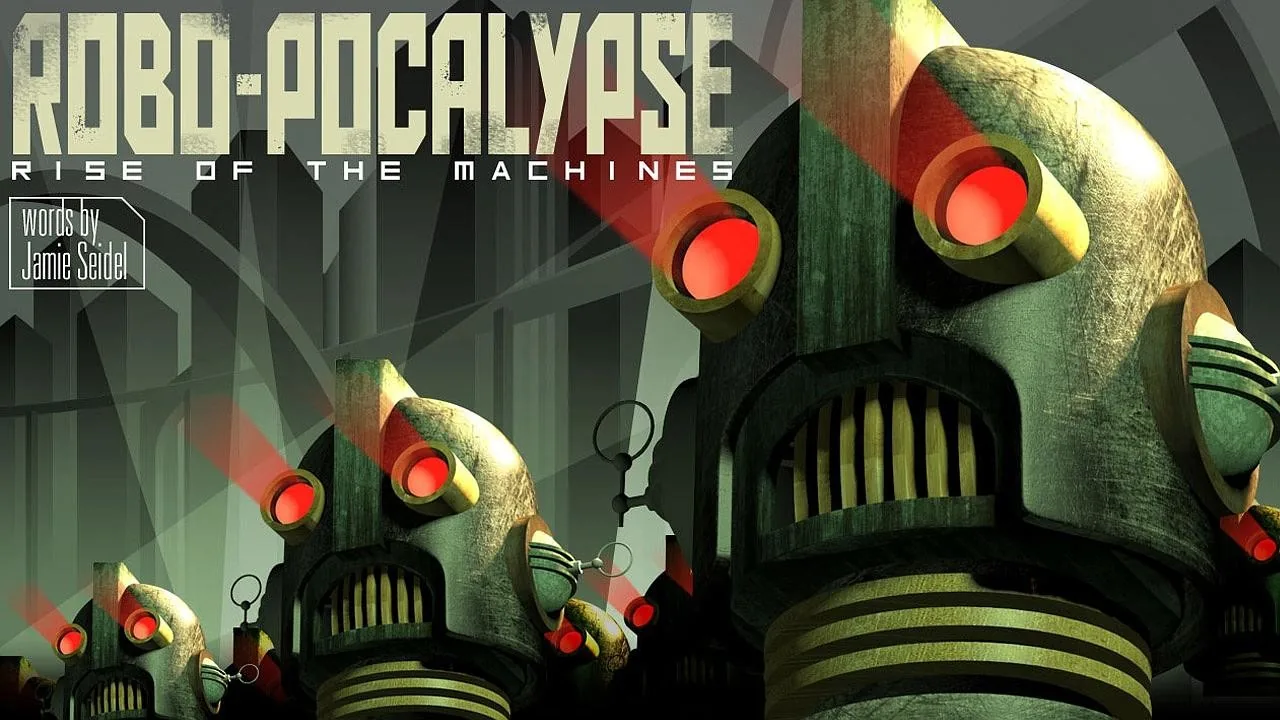
While we have all heard that programmatic is the future, we never really understand why. And when you do try to find out, you get a whole load of jargon thrown your way. Somehow everyone seems to mention Machines.
eMarketer estimates that programmatic buying will skyrocket to $9 billion by 2017.
The case for programmatic has typically been made on three fronts:
- It is better than network / exchange buys because it is cheaper.
- It is better than investing in TV, because you can buy online video cheaper and get additional reach in the process.
- You can overlay third-party data to get more concise targeting (and retargeting).
So when I first came across programmatic a few years ago, I was terribly confused. And I remained so for quite a while — until someone said RTB. I’d always imagined the words “machine-buying” as a kind of Terminator future.
Real-time bidding, demystified
Having a heavy TV background means I can break down the fancy layers and names of technology into what purpose they actually serve. For real-time bidding — machine-buying — it really is a simple philosophy. It is essentially the same as the self-serve systems deployed for SEM by Google and Business Manager by Facebook.
The buyer keys in their campaign and ad settings, sets bid pricing, selects audiences and various other options, and allows the self-serve system to buy the most relevant audiences against a response objective. Pretty simple, right?
All programmatic does is take self-serve, real-time platforms and cross them into display, mobile and video inventories.
The real potential
Who is to say programmatic can’t make the jump from digital media to TV and Radio? That, right there, is the potential of programmatic. The $9 billion predicted for 2017 by eMarketer is nothing compared to inverting the $80 billion TV advertising market to a whole new level of specificity.
The data-driven automation of the TV market means marketers will no longer care whether their ads are placed into Bulletin Utama (the 9 o’clock news in Malaysia) or Geo News (the biggest news channel in Pakistan) — just as long as their target audience of millennials, HHI 3k+, on iOS devices, is watching.
This tide of change for TV advertising, when it comes, will:
- Sweep clean the supply-side hegemonies we see in market today.
- Erase the biases and non-method influences (read: “my mom / wife / insert relative watches XYZ channel”) associated with buying programming on TV.
- Give undervalued smaller channels an influx of not just volume but value — bidded buying pays fractionally higher than the next biggest bid.
- Make the entire process far more accountable, and a whole lot more efficient.
But it will also:
- Hurt major network revenues in favour of a more equitable distribution.
- Need a lot of investment into enhancing the quality of TV research.
- Commoditize content in a way that may — or may not — hamper creativity.
- Kill a lot of sales jobs in the media industry.
Final verdict — two thoughts to close
1. The hands that hold programmatic
Today, there is a culture of confusion and exclusion among practitioners. Instead of talking about the future that can be, we are talking about the practice that is — and yes, that includes enhancing targeting, actionability, conversions and every other pet piece of jargon. The foundations of RTB were laid by expanding the self-serve concept to other digital media. The leaders on the programmatic frontier will be those that lay the groundwork to expand RTB further still.
2. The wins to be had
There are many winners in this future. Brands and agencies win at better-targeted, more efficient TV advertising. Undervalued channels and networks finally come out of their rut and begin trading on real audience volumes. And most of all, the tech companies that can serve the biggest share of this $80 billion pie.